Ingredients
What’s actually in the tube, and which parts are doing the work.
Real, Rare, and Usually Something Else
Allergy to a filling is real and rare, with a specific presentation. Far more often the symptom blamed on it has a mechanical explanation that takes minutes to fix.
It Works by Making You Drool
Sugar-free gum after a meal is one of the few genuinely evidence-backed habits nobody bothers with. It works by making you produce saliva, not by cleaning anything.
A Small Real Effect and a Very Large Claim
Oil pulling trials find a small real effect on plaque and breath, and nothing on whitening. What it does not do is remove anything from your body.
The Burn Is Not the Working Part
The sting people read as proof it works is a solvent, not an active. Three kinds of mouthwash, and only one has strong evidence behind it.
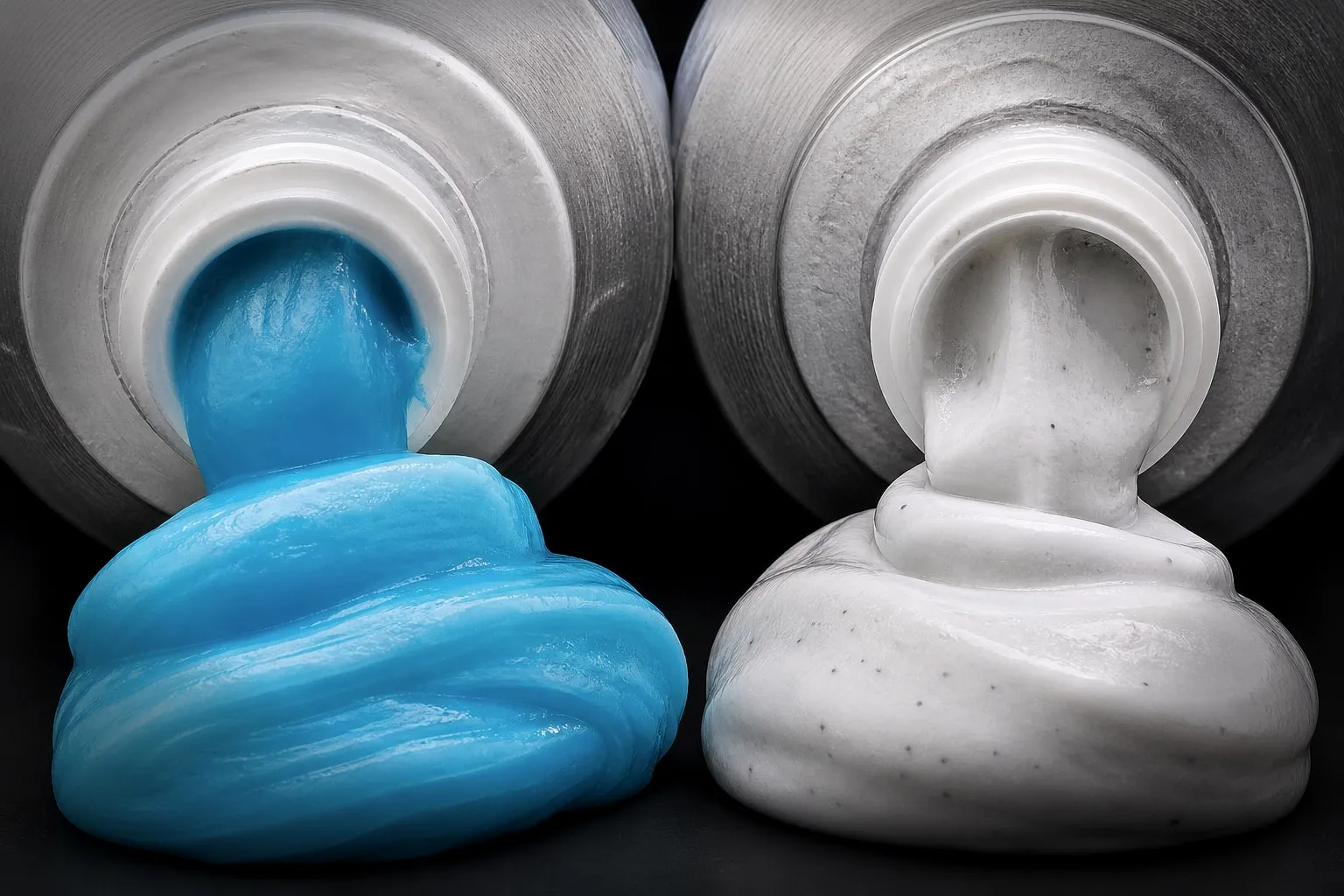
Fluoride Hardens It. Hydroxyapatite Puts It Back.
Fluoride has seventy years of evidence. Hydroxyapatite is what enamel is actually made of. They don't do the same job, and most people are asked to pick one.
The Sugar That Starves the Bacteria
Nobody markets it hard, yet it keeps turning up in threads where people compare notes. It's the only sweetener the cavity bacteria can't use.
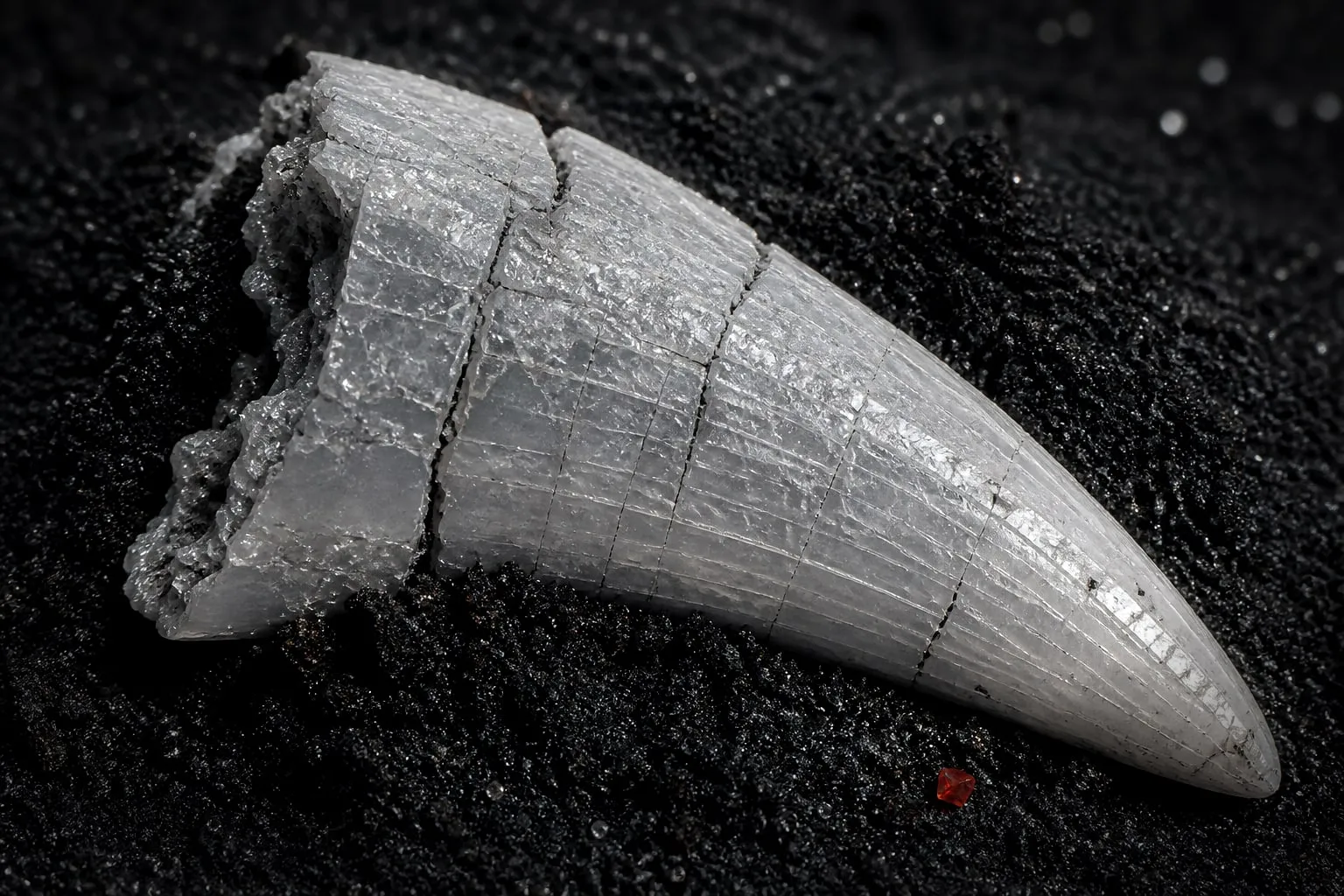
Your Enamel Is 97% One Mineral. You Can Buy It.
Your enamel is 97% hydroxyapatite. Putting it back is a real idea with real evidence — and a label full of numbers that mostly nobody explains.