weird
A Twig, and It Still Works
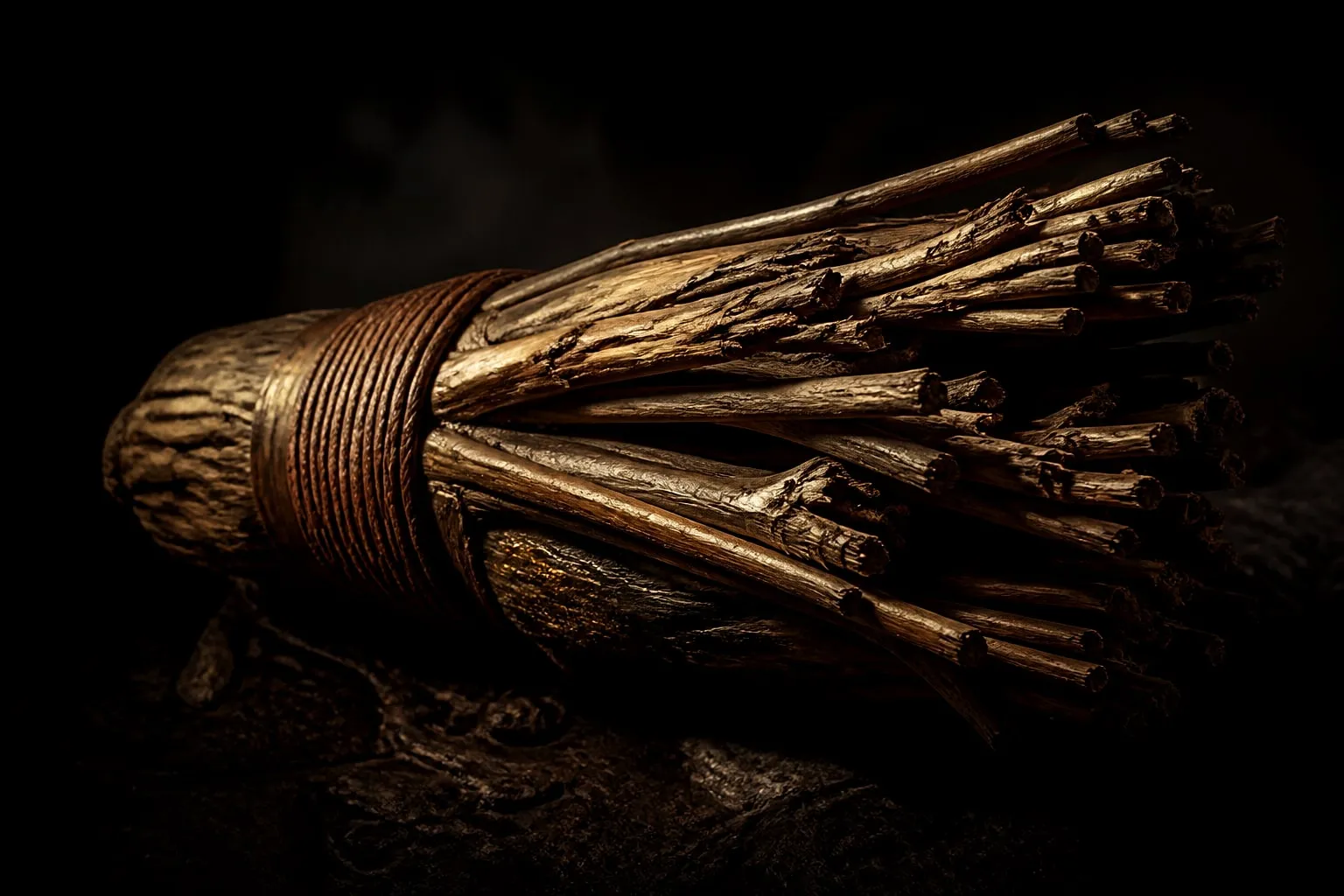
Before toothbrushes: a frayed twig, which holds up in modern trials. Bristles are Chinese, mass production came out of a prison, nylon arrived in 1938.
The toothbrush is a recent object. Cleaning teeth is not.
For most of human history the tool was a stick, and the surprising part is how well the stick performs.
The chewing stick
Take a twig from the right tree. Chew one end until the fibers separate into a brush. Sharpen the other end into a pick.
That’s it, and it appears independently almost everywhere. Babylonian examples date to around 3500 BC. Egyptian tombs contain them. Chinese, Indian, Greek and Roman records describe them. In much of Africa and South Asia the practice never stopped.
It is one of the oldest tools we have evidence of humans using on their own bodies.
And it isn’t a primitive substitute
The best-documented version is the miswak, cut from the arak tree — Salvadora persica — and used across the Islamic world, where it also carries religious significance.
When it has been put into clinical comparisons against a toothbrush, it does not lose badly. Several trials find it comparable for plaque and gingivitis, and the World Health Organization has acknowledged it as a legitimate oral hygiene tool.
The reason it competes is that it isn’t only a brush. The wood is the toothpaste.
Arak wood contains compounds with genuine antibacterial activity, silica that acts as a mild abrasive, tannins that reduce plaque adhesion, and naturally occurring fluoride. So the stick delivers active ingredients while it scrubs, and it produces fresh surfaces as it wears — you cut off the frayed end and chew a new one every day or two.
A toothbrush is a delivery device that needs a separate product loaded onto it. A miswak carries its own.
The bristled brush is Chinese
The recognizable object — bristles set at right angles into a handle — appears in China around the fifteenth century.
Hog bristle, chosen because pig hair is coarse and stiff, set into handles of bone or bamboo. Boars from colder regions were preferred, because cold produces firmer bristle.
European travelers brought the design back, and it stayed a curiosity of the wealthy for two centuries. Softer horsehair versions were made for people who found hog bristle too harsh, which is the first appearance of an argument dentists are still having.
And the mass-produced one was invented in prison
This is the best story in the object’s history, and it is reasonably well attested.
William Addis, an Englishman, was imprisoned around 1770 — accounts say for causing a riot. The practice then was to clean teeth with a rag and a mixture of soot and salt, and Addis thought there had to be something better.
He kept a small bone from a meal, drilled holes in it, obtained bristles from a guard, glued them in, and had a toothbrush.
On release he went into manufacturing. The company he founded became Wisdom Toothbrushes, which still exists. He died wealthy, and the business stayed in his family for generations.
A tool used for five thousand years was industrialized by a man with nothing to do and a bone.
Nylon changed everything in 1938
Animal bristle has three serious problems. It holds bacteria in the hollow shaft. It stays wet, because it doesn’t dry properly. And it falls out.
DuPont introduced nylon bristles in 1938, in a brush marketed as Doctor West’s Miracle Tuft. It was a bigger improvement than any change to the shape of the handle before or since — synthetic filament dries, doesn’t harbor bacteria the same way, and stays in.
Early nylon was also unpleasantly hard, and the soft nylon bristle that everybody now uses arrived in the 1950s.
The habit is younger than the object
Here is the part that reframes all of it: owning a toothbrush and using it twice a day are separate historical events, and the second one is very recent.
Widespread daily brushing in the United States and much of Europe dates from the aftermath of the Second World War. Soldiers were required to brush as a matter of military discipline, and hundreds of thousands of them came home with a habit they hadn’t had before.
Which means the routine that gets treated as basic human maintenance is roughly eighty years old as a mass behavior — younger than nylon, younger than sliced bread, and enormously younger than the twig.
What the stick got right
Two things, and both are still true.
It was always available. No purchase, no packaging, no bathroom. That’s a property no modern product has managed to match, and it is the reason the practice survived five thousand years without an industry behind it.
And the tool contained the treatment. The scrubbing and the active ingredient arrived in the same object at the same moment, and the ingredient stayed on the tooth because there was nothing to rinse it away with.
We separated those two things — brush here, paste there, rinse afterwards — and then spent a century telling people not to rinse.
The short version
A frayed twig, for five thousand years, and it holds up in trials because the wood contains its own antibacterial compounds and fluoride.
Hog bristle in a bone handle from fifteenth-century China. Mass production from an English prisoner with a leftover bone around 1780. Nylon from DuPont in 1938.
And the habit of doing it twice a day is younger than nylon — it came home from a war.
Questions people actually ask
What did people use before toothbrushes?
A chewing stick — a twig with one end frayed into fibers and the other sharpened as a pick. Versions appear in Babylonian, Egyptian, Chinese and Islamic records, and the practice is at least five thousand years old.
Do chewing sticks actually work?
Yes. The miswak, from the arak tree, performs comparably to a toothbrush in trials, and it has an advantage a brush doesn't — the wood itself contains antibacterial compounds and fluoride, so the tool is also the toothpaste.
Who invented the modern toothbrush?
The bristled brush is Chinese, from around the fifteenth century, made with hog bristle set into bone or bamboo. The first mass-produced one was made by William Addis in England around 1780 — reportedly conceived while he was in prison.
When did nylon bristles appear?
1938, from DuPont. Before that bristles were animal hair, which held bacteria, stayed wet and fell out. Nylon is the single biggest improvement in the object's history.