weird
One Real Tooth Left
By his inauguration he had one real tooth left. The replacements were hippo ivory, horse teeth, lead — and human teeth bought from enslaved people for £6.2.0.
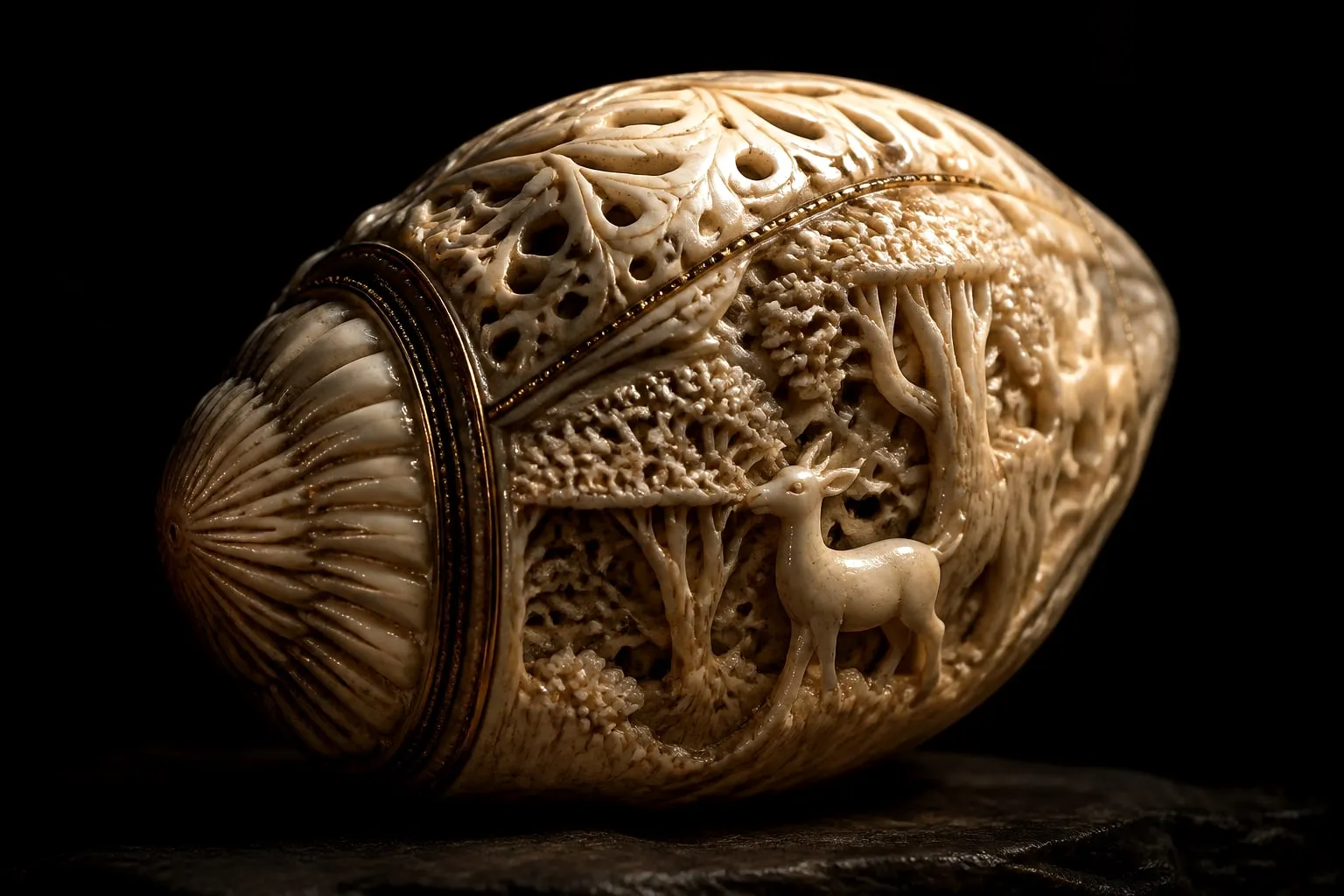
On 30 April 1789, George Washington took the oath of office as the first President of the United States.
He had one natural tooth left in his head.
The wooden teeth were never wooden
It’s one of the most durable pieces of misinformation in American history, taught in schools as settled fact well into the twentieth century. And the explanation for it is almost disappointingly ordinary.
Ivory and bone develop hairline fractures with use. Washington was fond of Madeira, a dark fortified wine, and over the years it stained those cracks.
The result looked grained. Like wood. That’s the entire origin of the story.
What they were actually made of
Across at least four sets, over decades, the materials list reads like a curiosity cabinet:
Hippopotamus ivory and walrus ivory, carved into the base and the visible teeth.
Human teeth, screwed into place with brass and held with gold wire springs.
Cow, donkey and horse teeth.
Lead, gold, silver and various alloys for the plates and the springs.
The one surviving set held at Mount Vernon is ivory, horse teeth and human teeth, set into a lead base. Another was buried with him.
There is nothing in that list a modern dentist would recognize as a material. There is a lot in it that a modern dentist would recognize as poisonous.
And they didn’t work
This is the part the myth flattens. These were not a solution. They were a device that made a difficult thing slightly less impossible.
Full ivory dentures were held in by springs, which meant they pushed apart rather than staying shut — the jaw had to hold them closed all day. They distorted the shape of his mouth and made his lower face bulge, which is why portraits of him from that era look the way they do. Eating was painful. Speaking in public was worse.
The stiffness people read as dignity in his portraits is, at least partly, a man holding his mouth shut.
The ledger entry
Here is the detail that changed how museums talk about all of this.
In May 1784, Washington’s plantation manager recorded a payment. Cash to enslaved people for nine teeth, on the account of his dentist, Dr Le Mayeur.
The amount was £6.2.0.
Historians are careful about what follows. It is documented that the purchase happened. It is not established that those specific nine teeth ended up in Washington’s own dentures — the transaction was on the dentist’s account, and dentists of that period bought teeth routinely for many patients.
What is not in doubt is the arrangement itself: a man who owned people paid those people a small sum for teeth out of their heads, in a period when transplanting human teeth into wealthy mouths was ordinary dentistry.
In 2020, Mount Vernon stopped selling a souvenir magnet shaped like the dentures.
Why anyone’s teeth were for sale
The reason there was a market at all is worth knowing, because it explains the whole century.
There was no anesthetic, no filling material that lasted, and no understanding of decay as an infection. So the treatment for a bad tooth was extraction, and the treatment for a missing tooth was somebody else’s.
Poor people sold teeth. It was a recognized way to raise money, the way selling hair was. And after battles, teeth were collected from the dead in quantity — an entire trade grew out of it, and the dentures made that way had a name.
Which means Washington’s mouth wasn’t unusual for a rich man of his time. Only unusually well documented.
The short version
The first President of the United States had one tooth, wore hippopotamus ivory and horse teeth in a lead plate, and held his jaw shut all day so the springs wouldn’t push them open.
Nothing about it was wooden. Everything about it was worse.
Questions people actually ask
Were George Washington's teeth really wooden?
No, and the myth has a mundane explanation. Ivory develops hairline cracks, and Washington's fondness for Madeira darkened them over time, which gave the dentures a grained, wood-like look.
What were his dentures actually made of?
Across at least four sets: hippopotamus and walrus ivory, human teeth, cow, donkey and horse teeth, and lead, gold, silver and brass. The surviving set at Mount Vernon is ivory, horse teeth and human teeth in a lead base.
Did the human teeth come from enslaved people?
A 1784 ledger records cash paid to enslaved people for nine teeth, £6.2.0, on his dentist's account. Whether those specific teeth ended up in his dentures is not known.